YAGA
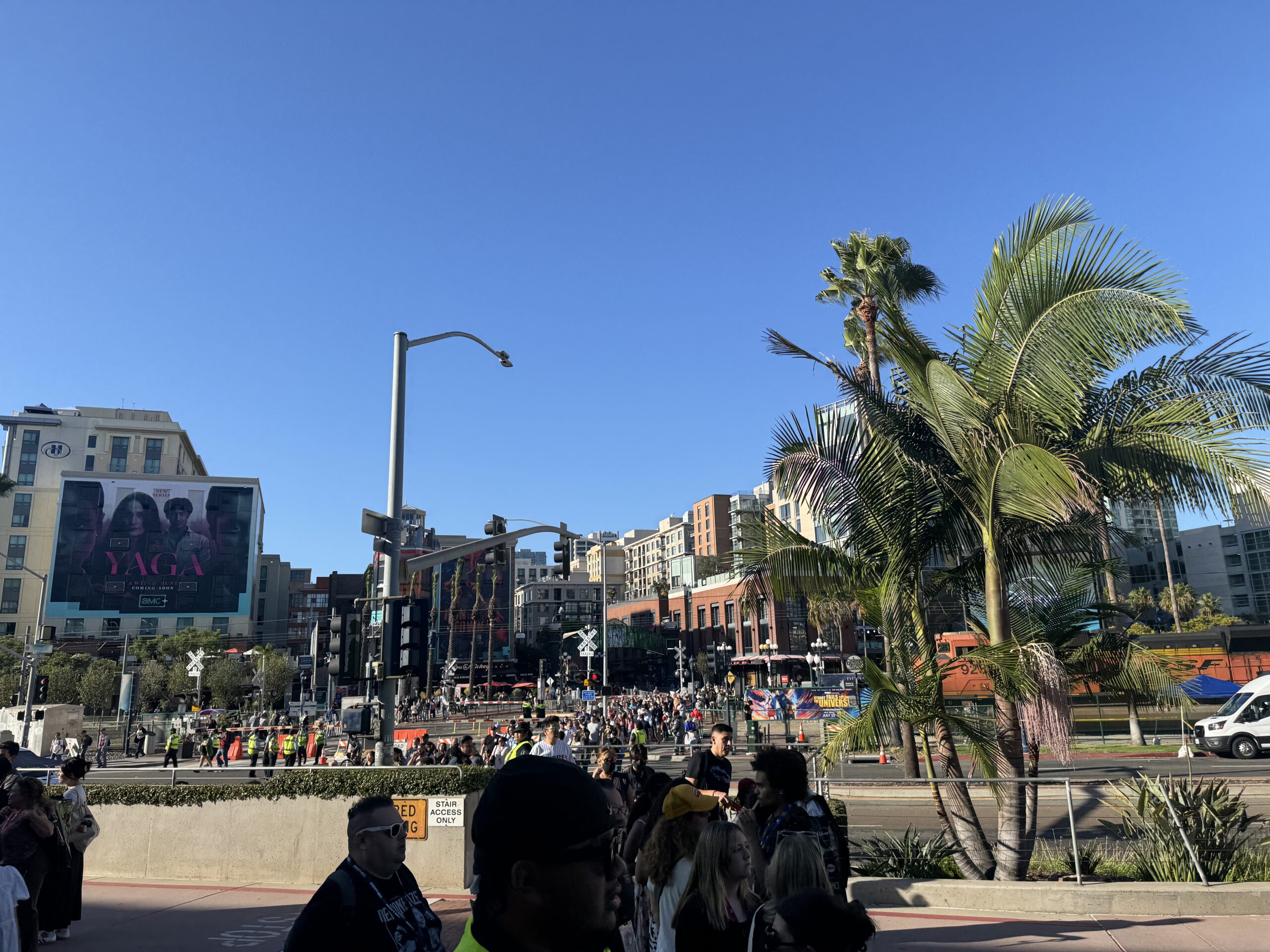
SAN DIEGO COMIC-CON 2026 | PRESS ROUNDTABLE TRANSCRIPT
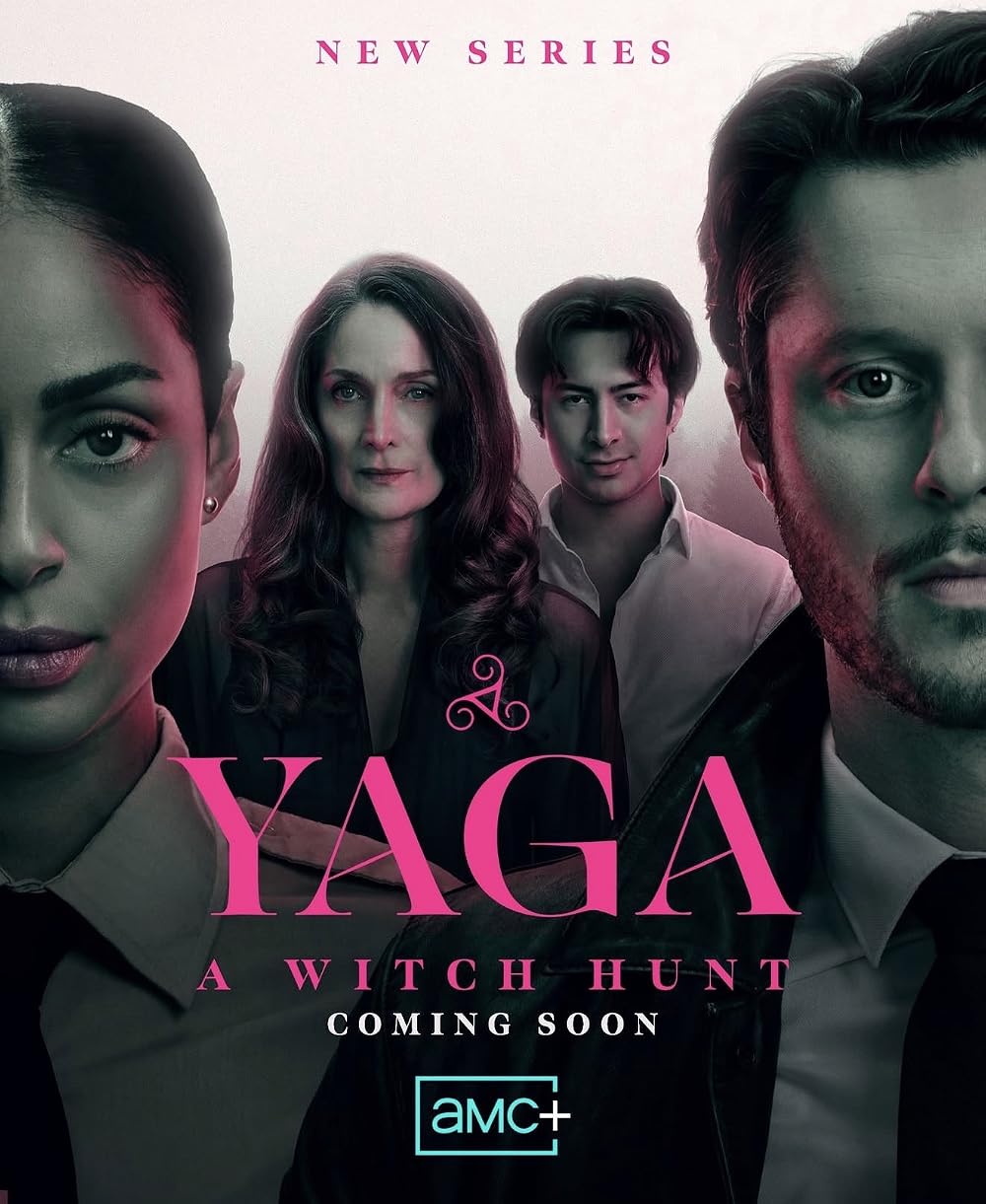
Press Roundtable with Kat Sandler, Noah Reid and Clark Backo
Saturday Morning Cereal | Matty P Radio
Saturday, July 25, 2026 | 1:30 p.m. PDT
Hilton San Diego Bayfront | Indigo Ballroom, Room 204
San Diego Comic-Con International
About the Roundtable
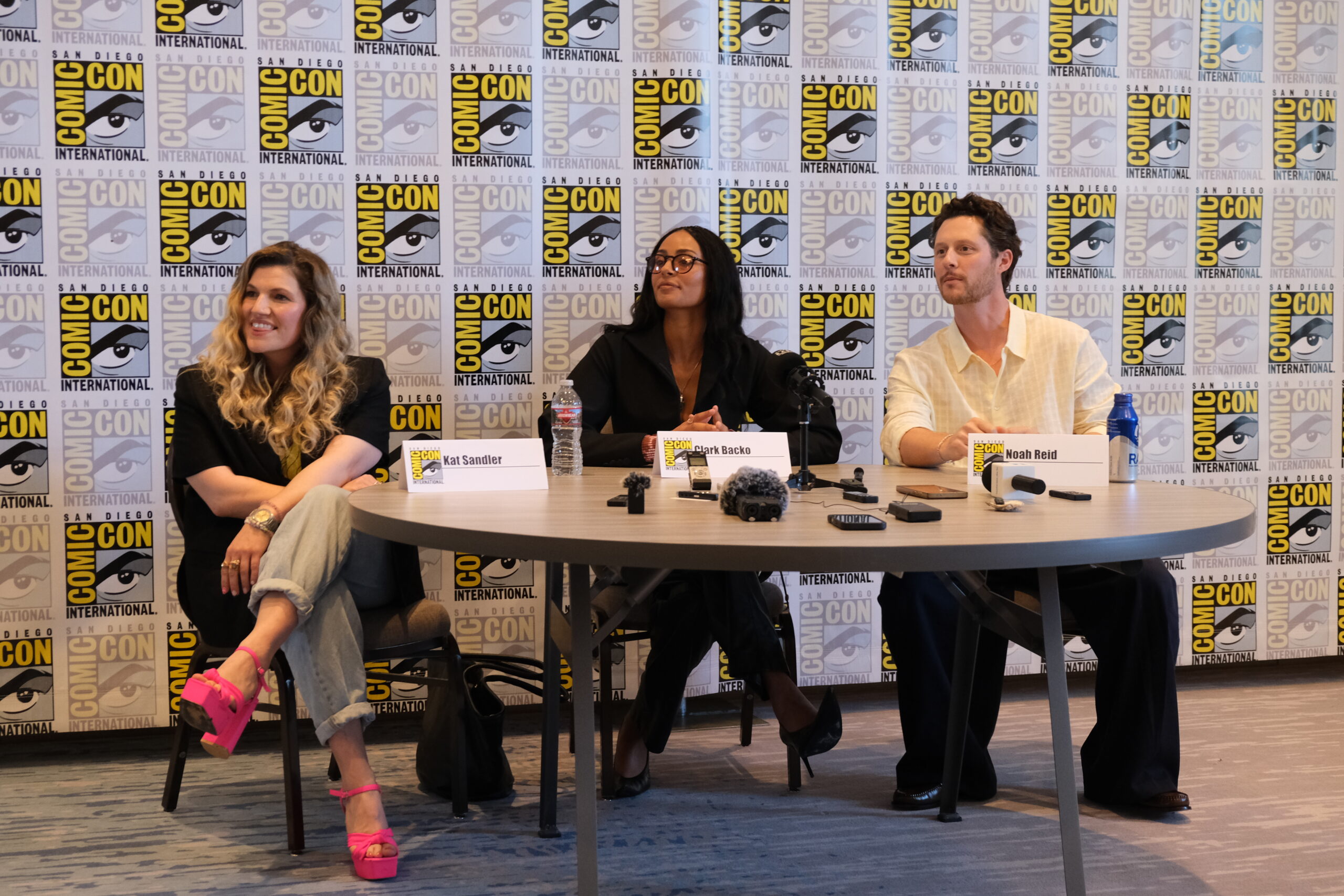
At San Diego Comic-Con 2026, the creative team behind YAGA gathered for a press roundtable exploring the mythology, characters, and creative influences behind the television series.
Inspired by the Eastern European legend of Baba Yaga, the series blends crime, mystery, folklore, dark comedy, and psychological drama while exploring female power, intuition, morality, and the complicated nature of justice.
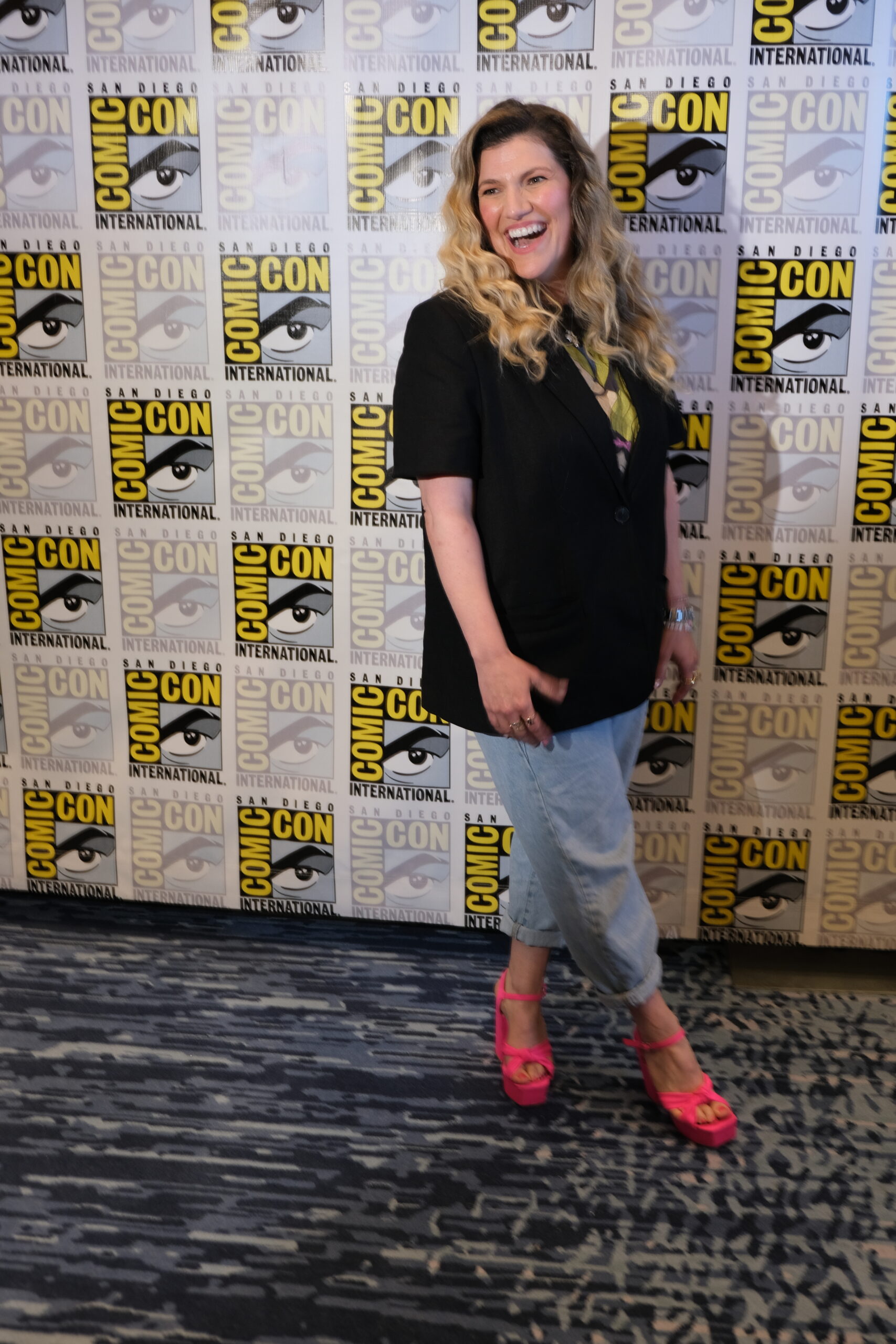
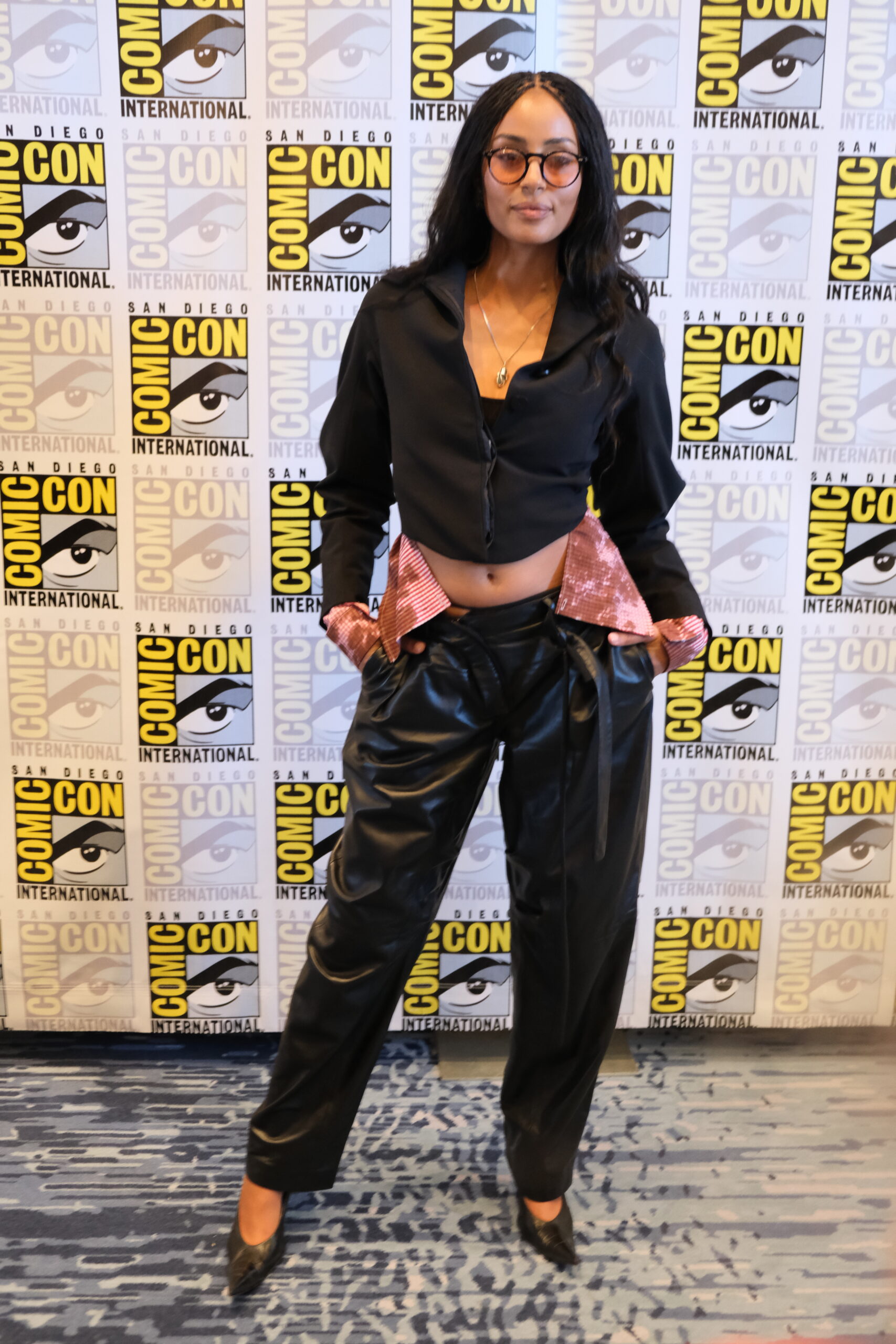
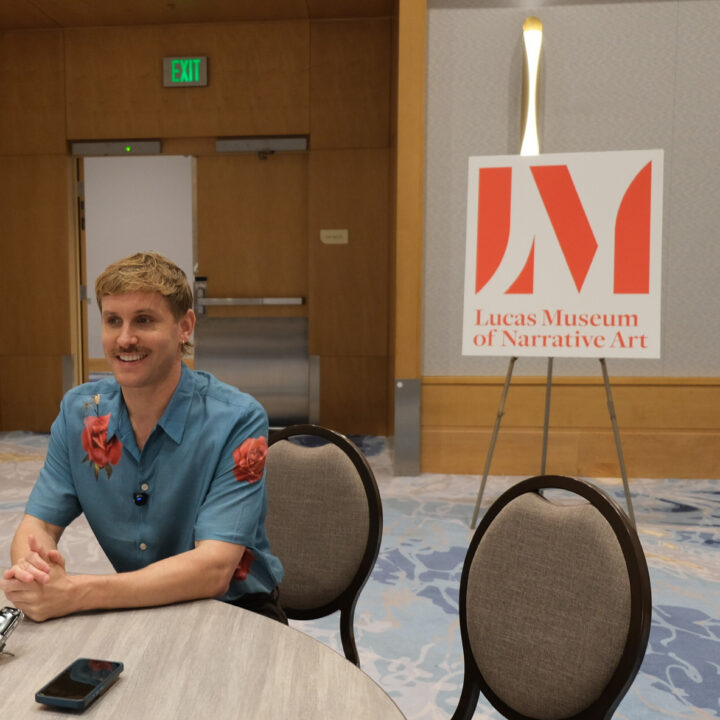
The discussion featured series creator, showrunner, executive producer, and writer Kat Sandler, alongside actors Noah Reid, who portrays Charlie Rapp, and Clark Backo, who portrays Carson.
Carrie-Anne Moss, who stars in the series, was originally scheduled to participate in the SDCC 2026 promotional appearances but canceled due to other production commitments. She was not present for this roundtable.
The event was supported by entertainment public relations representatives. Emma Georger of FerenComm is believed to be among the additional voices heard on the recording, although her participation and specific remarks have not been independently confirmed.
The following is an edited transcript of the discussion, recorded by Saturday Morning Cereal.
Editor’s note: This transcript has been edited for readability, grammar, and clarity using an automated voice memo transcription. Some repetitive speech and incomplete phrases have been condensed. Speaker identifications are based on context and should be verified against the original audio before direct quotations are used in a separate publication. Uncertain passages are identified where relevant.
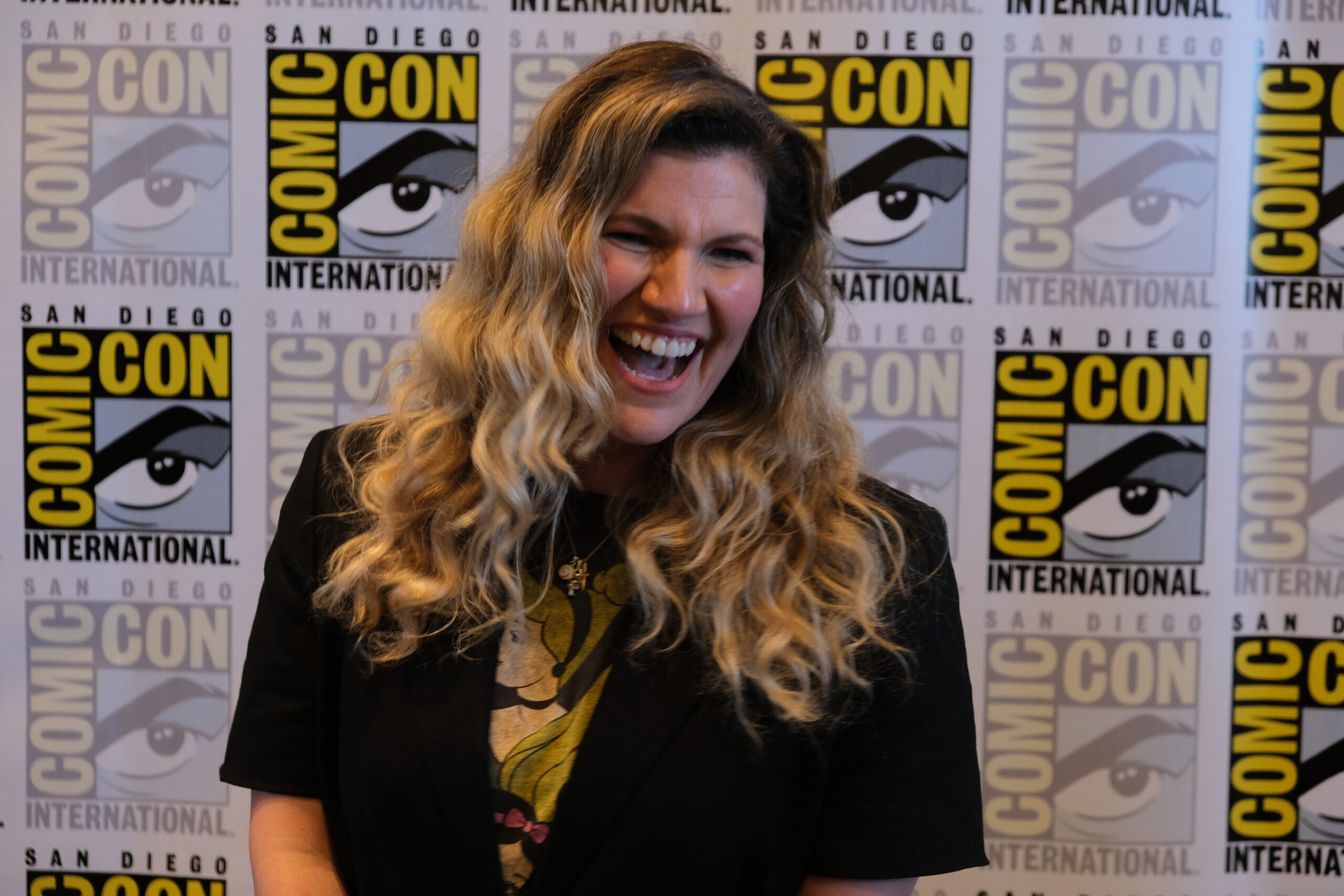
Kat Sandler
Creator, Showrunner, Executive Producer and Writer
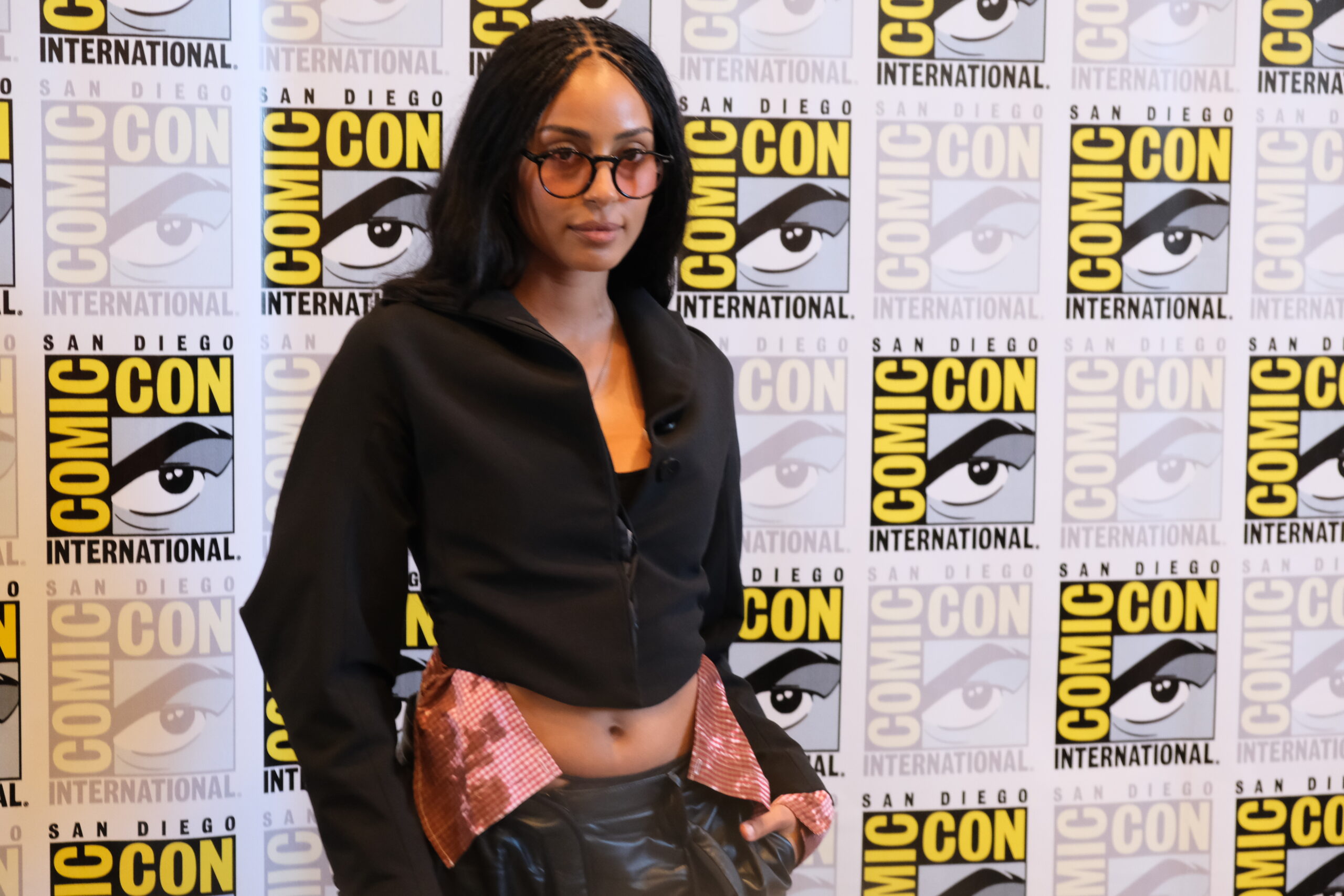
Clark Backo
Actor, “Carson”
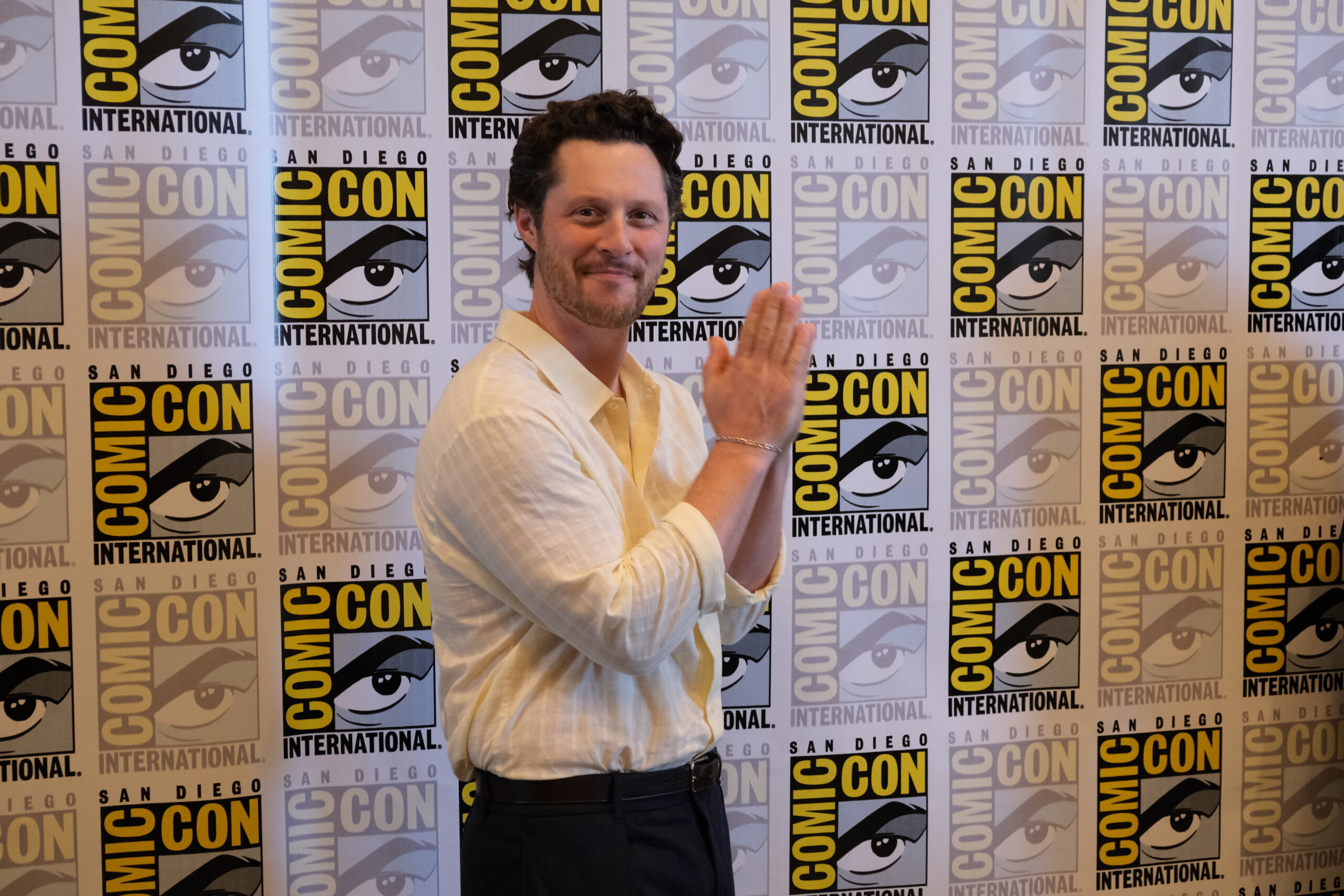
Noah Reid
Actor, Charlie Rapp
Reclaiming the Legend of Baba Yaga
Kat Sandler: Baba Yaga always has a name. It’s always her name.
We have the Wicked Witch of the West, or the witch from Hansel and Gretel. I feel like witches are so often defined by geography or colors.
This is women reclaiming a story that has always been told a certain way about them, so that we can find new ways to retell the story.
From the Stage to the Screen: Character Duality
Press: In the play, as you mentioned, only a few actors played dual roles. Because you were able to open up the cast for television, did you think about ways you wanted those characters’ dualities to remain represented? How did you bring that onto the screen?
Kat Sandler: I think the thing with every single character in YAGA is that they’re incredibly complex. There’s not just one side to them.
Every single person has heroic qualities and villainous qualities. There’s always that duality, dark and light, good and bad, because it’s not fun to just do one thing.
I think there are absolutely pieces of that in every single character in the show. All thirty-ish of them.
Masculinity in a Female-Led Story
Press: [Question partially unclear in the original recording, concerning Noah Reid’s character and the show’s female-centered perspective.]
Noah Reid: It’s a beautiful position to be in.
If you think about it, there are a lot of chickens in this story, and the position of the rooster is a difficult one.
The rooster is there to protect the flock, but when the chickens don’t need protection, then the rooster is kind of a bit useless.
I think there’s a lot of rooster in Charlie Rapp.
There’s a projection of masculinity, too, which I think is easy to see through for a modern audience.
The female leadership of this project is something that really drew me to it. I think it’s an incredibly important and very fun story that isn’t told from a male perspective, which is beneficial.
Comic-Con Reception and Canadian Storytelling
Marissa, FanSided Entertainment: Congratulations on the reception of the show today. I was outside this morning and saw the very early lines for your sold-out panel. Can you speak about where you are right now and what that feels like for you?
Clark Backo: As a small Canadian production, it’s really incredible, very special, and very rare.
I’m just really excited that it seems the whole world is invested in what Kat Sandler is bringing to all of us.
I’m very lucky to be part of it. I’m very excited.
Kat Sandler: Can I just add to that?
I think there’s something distinctly Canadian about the show, and we’re standing on the shoulders of Heated Rivalry.
Because of the risks that show took, what Crave did, and the way the world embraced that show for being different, we now get to do something equally different and equally bold.
It feels really nice to have made it.
Everyone in the cast is Canadian. We shot it entirely in Canada. It’s so special to take up space as Canadians and really get to say, “This is what we are capable of doing.”
It’s unreal.
This is my first TV show, and we get to have this happen, to have these people involved, to have Carrie-Anne and the whole cast.
This is a cast of my Canadian heroes.
It’s so insane to have this experience with your friends, with all of your friends.
The History of Witches and Their Influence on YAGA
Marke, Saturday Morning Cereal / Matty P Radio: The stories and legends of witches have been part of our culture since the very beginning. Can you touch on some of those stories from the past and how they’ve influenced your storytelling now?
Kat Sandler: Yeah. Like I said in the panel, I did a bunch of research, and it’s fascinating to see the kinds of women who were persecuted as witches.
It was often healers, midwives, intellectually curious women, just women who were doing whatever the fuck they wanted.
Can I swear in here?
[Laughter and affirmative responses.]
A woman doing whatever the fuck she wanted, alone in the woods, living by her own rules, is the scariest thing that men could possibly imagine.
But the thing that’s amazing about witches is that every culture, every country, has its own brand of witches.
Baba Yaga is across all of Eastern Europe, but there’s the sea hag, which they use in Widows Bay.
There’s this beautiful lore. They’re so different, but they’re kind of the same.
It’s female power, age, and wisdom, all molded into this thing that society is like, “No, thank you.”
And we’re like, “Actually, yes. Very much, thank you.”
Bringing the Stage Characters to Television
Press, The Beat: During the panel, you mentioned reading the play before reading the first couple of episodes. How does that influence your work as actors and how you approach your characters, knowing there’s an actual history behind the material? Do you channel that, or bring something different to your roles?
Noah Reid: I think the thing you can take from that is an atmosphere, a tone, and a feeling.
What you have to play with is what’s directly in front of you.
That’s, in a big way, the difference between theater, which is conjuring imagination and doing something repeatable over the course of a run, and film, where a lot less is left to the imagination.
You’re in specific locations. You’re with specific people.
The camera is the audience’s invitation into the world, and the frame sets the parameters.
It happens right in that moment, and it lives forever.
I think what we really had to work with was Kat’s reimagining of her own work.
That comes together in television in this beautiful, alchemical way.
It would be a very different show if Clark were somebody else. But it’s me and Clark and Hudson and Carrie-Anne and Sheila and the rest of the cast. That all goes into the brew.
Clark Backo: Can I add to that?
Yes, I read all the episodic scripts, and I read the play.
Kat and I talked a lot about whether I would watch footage of the play, and she decided, kind of on behalf of us, and I’m really glad she did, that I wouldn’t watch it.
I think that was an incredible and very trusting decision because she wanted to give me space to bring myself to Carson.
We didn’t want anything to impede my decisions or my instincts.
Again, this show is a lot about female intuition and trusting the little voice inside, whether you call that magic or just intuition. That’s up to you.
I think a lot of it is the balance and mixture of Noah and me, and every other cast member, having the space to go out and do our own research, ponder themes and genres, and everything.
Then we have the extensive source material Kat gave us in these scripts.
We come together, discuss together, and then start to play together when they say action.
Kat Sandler: When I cast the play, the person playing that part was what the character became.
This is a completely different version of YAGA.
Now Noah is Rapp on television, and Clark is Carson on television.
These are the only people who could have done it.
Blending Crime, Folklore, Horror and Fantasy
CQ, WCM Nation Radio: The series blends crime, folklore, horror, and fantasy in these half-hour episodes. Which genre gets to define the rules when those modes disagree?
Kat Sandler: The rules are that there are no rules.
I don’t think there’s any disagreeing in any of it. It’s a beautiful little dance that comes together.
Like an onion, the layers really support each other.
When you feel like we’re drifting too far into one mode, you can shift out of it.
The humor especially. These guys are very, very funny. I’m funny, but they’re very funny.
They elevate the comedy and the drama.
I think we’re able to lift things up when they start feeling too dense.
The Reality of Magic
Press: AMC has a strong history of supernatural programming, including Mayfair Witches, A Discovery of Witches, and Sanctuary: A Witch’s Tale.
In those shows, witchcraft and magic are real. There are supernatural beings.
How does it change your approach when you’re working on a story where magic may not literally exist? Does removing that supernatural element change how you write or perform the characters?
Clark Backo: It’s hard, considering life is magic. The fact that we’re all in this room is magic.
That panel was magic.
Sometimes I say really dumb stuff that feels extremely profound.
I was talking to my makeup artist about it this morning, I think.
Just the fact that we exist on this Earth. I played a geologist about a year ago in a horror movie, and I did a lot of research for that.
But the point is, there’s magic everywhere, constantly.
Whether you believe in magic or not is kind of irrelevant.
I don’t think there was too much work involved in that respect, at least for myself.
Reality is magic, and magic is reality to me.
Noah Reid: I think it’s also interesting from the perspective of trying to solve a crime.
The show starts in a very real-world, high-stakes place. There’s a missing person.
You know what the statistics are for missing people. You’ve got short windows to recover somebody.
You’re not really thinking about magic.
I don’t think I ever thought, as Charlie Rapp, “Well, what if he magically disappeared?”
That’s not something that enters our brain space first and foremost.
But when you talk to people about supernatural experiences, moments they’ve had, even a feeling or memories of something connected to the time of somebody’s death or somebody’s birth, all these interconnected moments are part of this supernatural fabric that runs through everybody’s life.
Whether these stories address the reality of magic or a supernatural element or not, they come from the same source material.
We all, to some degree, experience that. Maybe we’re pushing it away, but it’s present.
It’s a matter of how much we engage with it.
What’s cool about Comic-Con is that this is a world where people really engage with it, lean into it, and are excited by it.
That’s an amazing element of this show for us to lean into.
Kat Sandler: Since development, we’ve talked about this as three acts.
The first act is very grounded. It’s cops and detectives, a little bit Mare of Easttown.
The second act is a little more supernatural, True Detective.
And then the third act goes further into [unclear in recording].
The other thing is, we use dreams in the show.
You can’t tell me dreams aren’t magical. The shit I’ve seen in my head is wild.
The feeling of magic permeates the whole show, even if parts of it feel much more grounded and real.
People are magic. Women are magic.
So there’s lots of magic.
What Is Baba Yaga Warning Us About?
Press, Mexico: Every culture has stories that warn us about something. What do you think YAGA is really warning us about?
Clark Backo: I see it less as a warning.
Although I’m sure it’s a warning to men.
But like I said in the panel, I don’t think this show’s priority is to be in conversation with men.
I really feel that it’s a song, a call to action for women to believe that their knowing, that intuition and instinct inside, is their safety.
That is their power.
I know it’s a dark show, but I really think it’s inspiring and actually provides a lot of hope.
I see it more as an invitation and a call to action for women to take up more space.
Noah Reid: I kind of hope people watch it together, whatever their family or couple dynamics are.
I think there will be really interesting conversation points, especially as the series unfolds into its final third act, as Kat would put it.
There will be differing opinions on a lot of things in this show.
My favorite thing as a kid was going to the theater and walking out talking about what you think that meant, what you think should have happened, even things about the production design.
That conversation is maybe not the warning, but the invitation for the audience to become involved with this material.
Baba Yaga’s Eastern European Origins
Press: As a Slavic person, thank you very much for doing this. What is it about Eastern Europe that makes this mythology so fascinating and brings Baba Yaga to life?
Kat Sandler: I think it’s less about Eastern Europe specifically. That’s her home. That’s where she was born.
She’s such a shared entity across all those countries.
You all heard “These Boots Are Made for Walkin’,” which I think is covered in Polish.
We use a few other covers in Eastern European languages throughout the show.
We’re really trying to pay homage to her origins.
But I think Yaga is something that belongs to the whole world.
There are echoes of her in so many different cultures.
She’s such a shapeshifter.
Sometimes she’s a healer. Sometimes she’s a wise woman. Sometimes she’ll help you on your quest.
Sometimes she’ll really fuck you up.
And sometimes she’s just a witch in the woods, minding her own business.
My father’s parents were from Ukraine, and I haven’t been there.
But with what’s going on in the world right now, there’s also a piece about speaking truth to power.
We’re so lucky to live in Canada and enjoy our fun show about witches.
There’s a lot happening in the world, and not enough people speaking truth to power.
The Future of YAGA
Johnny Heck, Saturday Morning Cereal / Matty P Radio: Kat, as a storyteller and playwright transitioning into television, how far down the road are you looking with this story?
Kat Sandler: I’ve got to go all the way.
It’s been developed as a limited series.
I’ve got seasons for days in me.
I hope we get to continue it.
This story has an open end, and I think we go from there.
Marke, Saturday Morning Cereal / Matty P Radio: Building on that question, looking down the line, have any of the characters already been killed off or finished? Do you know the endings of your characters?
Kat Sandler: No comment (to laughter)
Easter Eggs and Hidden References
Press, SFX Magazine: Can you talk about any motifs or Easter eggs? Where should we be looking, or what are you most excited for people to uncover as they go on this adventure?
Clark Backo: I think just be open, and maybe understand that we all, in this world, and especially in YAGA, wear masks.
So try to see behind those.
Kat Sandler: Every choice in the show is really deliberate, across all the departments.
Our design team, our writers, we had so much fun putting in little Easter eggs.
I can spoil it. There are a lot of witchy Easter eggs.
The diner is called Sandison’s, not Sanderson’s, and that’s a joke.
There’s a character named Abigail Williams. If you’re familiar with theater, that’s the accuser in The Crucible.
There are a lot of little witch nuggets.
There are also detective references.
Noah was mentioning his coat. The coat really is the coat from Se7en.
There are lots of little pieces from those movies and television shows that are just plopped right in there.
And if you miss them, that’s fine. It’s just half an hour. It’s nice.
Also, there are a lot of chickens.
Cast: You can count the chickens.
Is Baba Yaga Misunderstood?
Press: Do you think the witch has been misunderstood, and how does that reflect through the show’s characters, particularly Carson?
Kat Sandler: I think the idea of a witch in general, which is where the whole show starts, comes from what men historically said about witches.
They’re ugly. They’re old. They’re childless.
You look at what a powerful older woman is today, and it is magic.
I think Baba Yaga has been misunderstood, but I also think she gets to play by her own rules.
She has her own moral code.
I speak about loving Dexter and loving Hannibal. Those are men who work by their own code.
They’re killers who work by their own code.
I think Baba Yaga gets to decide on a case-by-case basis how she wants to judge someone and whether they deserve punishment.
It’s not an eye for an eye, because that’s not how justice works.
It’s: Are you good in her eyes? Are you bad in her eyes? Do you deserve punishment?
Noah Reid: It seems like, in our world, Baba Yaga is not an altruist.
There’s a dynamic to her decision-making.
As Kat was mentioning, in various stories she’ll either choose to help you or choose to hurt you.
That’s a judgment call that’s not necessarily about what’s right or good.
I think that’s where people might have dissenting ideas about what’s happening in the show.
What should have happened? What could have happened?
What’s our barometer for forgiveness and rehabilitation?
What’s our limit of saying, “That is enough”?
That feels like it’s in play as well.
Clark Backo: I also want to say Carson specifically, and this is something that really drew me to her, is that she kind of represents the everywoman and girl.
Because in a patriarchal society, there’s internalized misogyny.
I’ve definitely been a subscriber to that for a very long time.
I’m on the other side of that, but I think Carson represents the woman who would also misunderstand Baba Yaga.
She doesn’t understand the power of Baba Yaga, or if it’s even real, or whether to trust or believe it.
That’s a very challenging yet exciting thing about playing Carson.
She’s incredibly smart and capable and disciplined, and there’s so much room for her to learn and grow as a woman.
She has a lot to learn about what Baba Yaga means.
We get to learn with and through her.
Writing Powerful, Complicated Women
Kat Sandler: Internalized misogyny is a big part of it.
I think about my early days as a playwright.
I wrote amazing parts for amazing male actors like Noah, who were so funny and complicated and incredible.
And I was like, “I’m not a feminist. That’s not cool.”
Then YAGA was kind of my gateway drug into writing about these unbelievably powerful, fucked-up, beautiful women.
They’re not perfect.
So much of the discussion around this show sometimes is, “Will we like her?”
And I’m like, “She doesn’t care.”
I don’t care if you like her.
The point is that she gets shit done.
We don’t ask if we like Dexter. He’s a serial killer.
It’s been really freeing to say I don’t care as much about whether people like these characters.
I want them to be able to say what we need them to say.
Clark Backo: Yes. We learn as women, through YAGA, not to ask for permission.
Press: Kat, what was your aha moment from that transition?
Kat Sandler: I think the audience came with me.
My early stuff was all really dark comedies.
I was afraid audiences wouldn’t laugh at a woman because we want women to be this perfect thing.
We want them to be beautiful. They’re either beautiful virgins or beautiful young princesses.
As my career continued, and especially with YAGA, I realized a bad girl can have so much fun, and the audience can have so much fun with her.
It’s also getting older myself and trying to stop people-pleasing.
Adapting YAGA from Theater to Television
Press: Kat, can you talk about transitioning from your stage play to the screen? Did you pitch it, or was it pitched to you? Did you have any hesitations?
Kat Sandler: I pitched it very sadly during the pandemic, when CBC and Netflix were doing those things where you could put your stuff out to everyone in the whole world.
I was like, “This is it.”
No one ever saw that. I think the server was down.
But then [name unclear] came to see the show, and she just kind of sat with it.
When those companies were looking for a short mystery, she put it forward.
And the gals from [company unclear] came to see another show about another wild woman.
They put it into development the next day.
Another speaker: Shortly thereafter.
Kat Sandler: Yes, the next day.
But the transition, my mother worked in television and was a screenwriter, and I’ve always written very quick, fast-paced dialogue.
So that stuff was really easy.
I remember a day on set where I was like, “This is a big moment for Carrie-Anne. We need to have seen her, so she should probably assume a power position and be very loud.”
And they were like, “No, Kat, we’ll just move the camera. We’ll go to her.”
Sexuality, Empowerment and Older Women on Screen
Press: The trailer or teaser was quite spicy. Can you talk about the spiciness of the show and how important that is to this story?
Noah Reid: I think it’s part of the language of the show, and it’s part of the language of show business.
Hudson had a lot to work with us in that department.
He’s a grizzled vet, too.
He’s a professional.
We had a lot of sensual content in the show.
I think it’s also part of the language of Baba Yaga, the breadcrumb trail, so to speak, of the draw.
It was definitely the most of that content I’ve ever been a part of.
Charlie Rapp gets around.
But Kat was talking about fun earlier.
I think that’s an element of the fun of our show and the danger of our show, too.
It kind of straddles that line.
Clark Backo: Sex is so empowering.
We’re all here because of sex, and that is magic.
Back to Baba Yaga, she loves sex, and I think that’s very cool.
I personally haven’t seen too many series or films that give us sex from the perspective of women, older women, who want it badly and have it a lot, whenever they want.
I think that’s new and fresh and important.
For them, it’s sex for sex’s sake, kind of, but the show isn’t sex for sex’s sake.
Kat Sandler: It was really, really important to show women older than thirty being sexual and empowered on screen.
I think we really shy away from that in general in television and film.
There’s one really surprising scene that I love.
It’s one of my very favorite scenes, and it’s nuts because you just haven’t seen it.
I think it’s so beautiful and special.
It’s nice to be able to present that and have the producers be like, “Okay, yeah, you want it?”
And I’m like, “Yeah, I do. Let’s do it.”
Sex is incredibly important to this story, but specifically the sexual empowerment of older women is also magic.
Morality, Justice and Bad Decisions
Press, Nerds and Beyond: Did playing your characters make you sympathize with decisions you thought you would never understand, especially considering the consequences of some of the decisions they make?
Noah Reid: I thought a lot about the bad decisions in this show from the perspective of a parent.
If you’re the parent of a young person, your job is to teach them a foundation of the parameters of right and wrong.
Picking yourself up when you fall down. Trying again, trying better, failing better.
That part of the bad decisions in this show is what makes it really fascinating.
It churns you a little bit as an audience member and certainly as an actor.
It’s a good writer who puts you in that kind of situation where you’re not sure, day to day, what side of the line you’re on.
Carrie-Anne and I would talk about this a lot.
Trying to locate yourself within a character and within a story where you may agree or disagree with some of the paths.
But it’s the old thing that what’s bad for the character is good for the actor.
And we’ve got a lot of good news in this show.
Clark Backo: I really haven’t been on a set where there’s so much discussion that comes out of the source material you’ve given us.
I think everyone, whether it was their character doing it or not, really had to look inside and question:
What is right and wrong? Who is a monster, and who is not? What does justice actually look like served?
It’s very complicated.
And it’s just a feat that Kat was able to fit some of the biggest questions I’ve ever faced into thirty-minute episodes, and only eight of them.
It’s incredible.
I hope the discussions we had on set are mirrored by the audience at home watching.
Female Lineage and Inherited Behavior
Kat Sandler: There’s a lot about gender politics, a lot about legacy.
What do we inherit? Do we inherit behavior?
During the witch trials, people would have their children accusing them of being witches, and then they would be killed on the testimony of a little four-year-old.
“Is your mom a witch?”
“Yeah, maybe.”
Family, legacy, and how things get passed down are a big part of the fabric of this show.
And that will make a lot more sense.
Clark Backo: I’m glad you brought that up.
I also think another thing we’re used to seeing that’s male-dominated is male lineage and legacy.
It isn’t often that we get to see female legacy, female lineage.
And this really takes that and cranks it up.
The Real-Life Baba Yagas Who Inspired the Cast
Marke, Saturday Morning Cereal / Matty P Radio: I’m curious if any of you have a Yaga in your family. I don’t mean a scary witch, but someone who was an inspiration to you, who encouraged you to be secure and passionate. This is a question for all of you.
Cast: Who doesn’t?
For a lot of us, it’s our mom.
Kat Sandler: For sure, my mom.
Clark Backo: Of course, my mother.
But the first person I actually thought of was my great-grandmother, who I didn’t know.
My dad’s from a tiny village in Cameroon, West Africa.
I’ve seen one video of her and maybe three photos.
There’s a video of her when my dad visited. He’s a musician, and he brought his music.
She’s blind, and she has a pipe in her mouth.
She’s dancing to my dad’s music, and he brought her some money, so she had U.S. cash in her hand.
She was also the healer of the village.
I think of her often.
I didn’t know her, but I feel her all the time.
I have dreams of her.
I feel her protecting me all the time, and she’s a very important presence in my life.
So she’s kind of my Baba Yaga.
Noah Reid: Beautiful.
I would say that I come from a long line of brilliant, strong, independent women.
My grandmother on my mom’s side was born in Bulgaria.
She moved to Detroit prior to World War II and started a Bulgarian community everywhere she went.
She brought people over, sponsored them, and was the central hub.
She did it on her own, in her own way.
She had two nursery schools going in the suburbs of Los Angeles.
Just an absolute powerhouse.
She lived to ninety-seven and was just a rock of a woman.
Incredible.
She must have been a witch.
Cast: Exactly.
Thank you.
Closing
The roundtable concluded with the cast thanking the attending press and exchanging farewells.
Additional informal conversations captured after the formal session have been omitted from this edited transcript.
Recording and Editorial Credits
Event: YAGA Press Roundtable, San Diego Comic-Con 2026
Date: July 25, 2026
Location: Hilton San Diego Bayfront, Indigo Ballroom, Room 204
Recording: Saturday Morning Cereal / Matty P Radio
Press Representative: Marke
Public Relations: FerenComm (Emma Georger, possible attendee; attribution unconfirm
Transcript prepared from an original voice memo recording and edited for clarity and publication. All rights to the series and its associated intellectual property remain with their respective owners.
© 2026 Saturday Morning Cereal / Matty P Radio.